
Before 1700
Fires on the Headlands
Open flames and coal braziers warned coastal crews where rock met tide.
Early beacon era
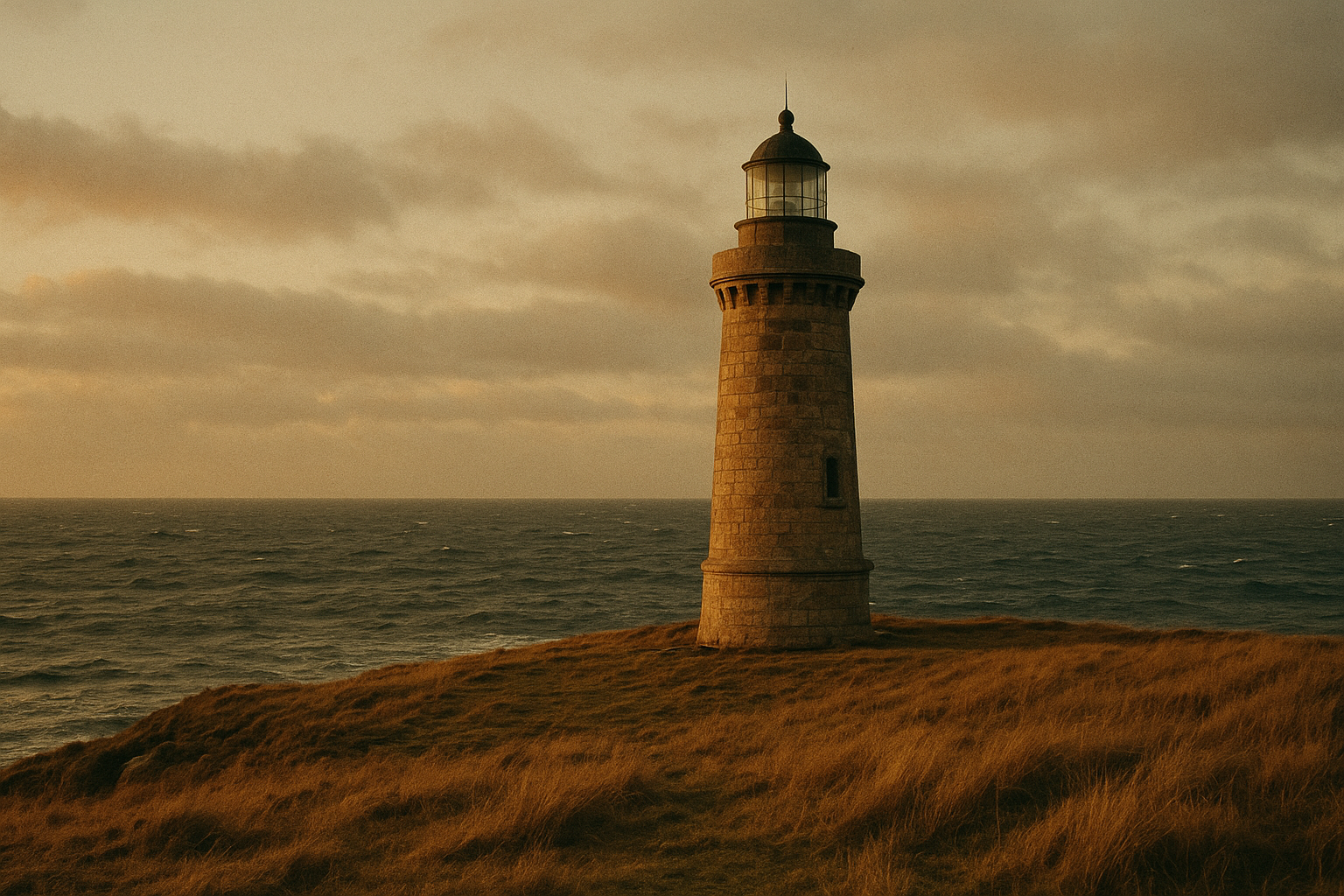
Northern Coast Lighthouse History
Archive photographs, keeper voices, and the towers that still mark the edge of the sea.
Northern headland study · Archive view
Historical chronology
Five pivotal moments trace how northern-coast lighthouse practice evolved—from early watch points to preserved modern towers.
Continue to keeper storiesBefore 1700
Open flames and coal braziers warned coastal crews where rock met tide.
Early beacon era
1786
Permanent masonry towers replaced exposed beacon platforms along the northern routes.
Age of construction
1822
Optical advances focused weaker flames into a beam visible far beyond the harbour approaches.
Innovation at sea
1911
Sound and communication equipment expanded the keeper’s watch beyond the lantern room.
Connected stations
Late 20th century
Unstaffed lights ended the resident keeper era while conservation groups began protecting the towers.
Living heritage
Keeper Stories
Three archival excerpts trace routine, weather, and family life around the lantern room. Each account pairs a short quotation with period attribution for quick reading and deeper context.
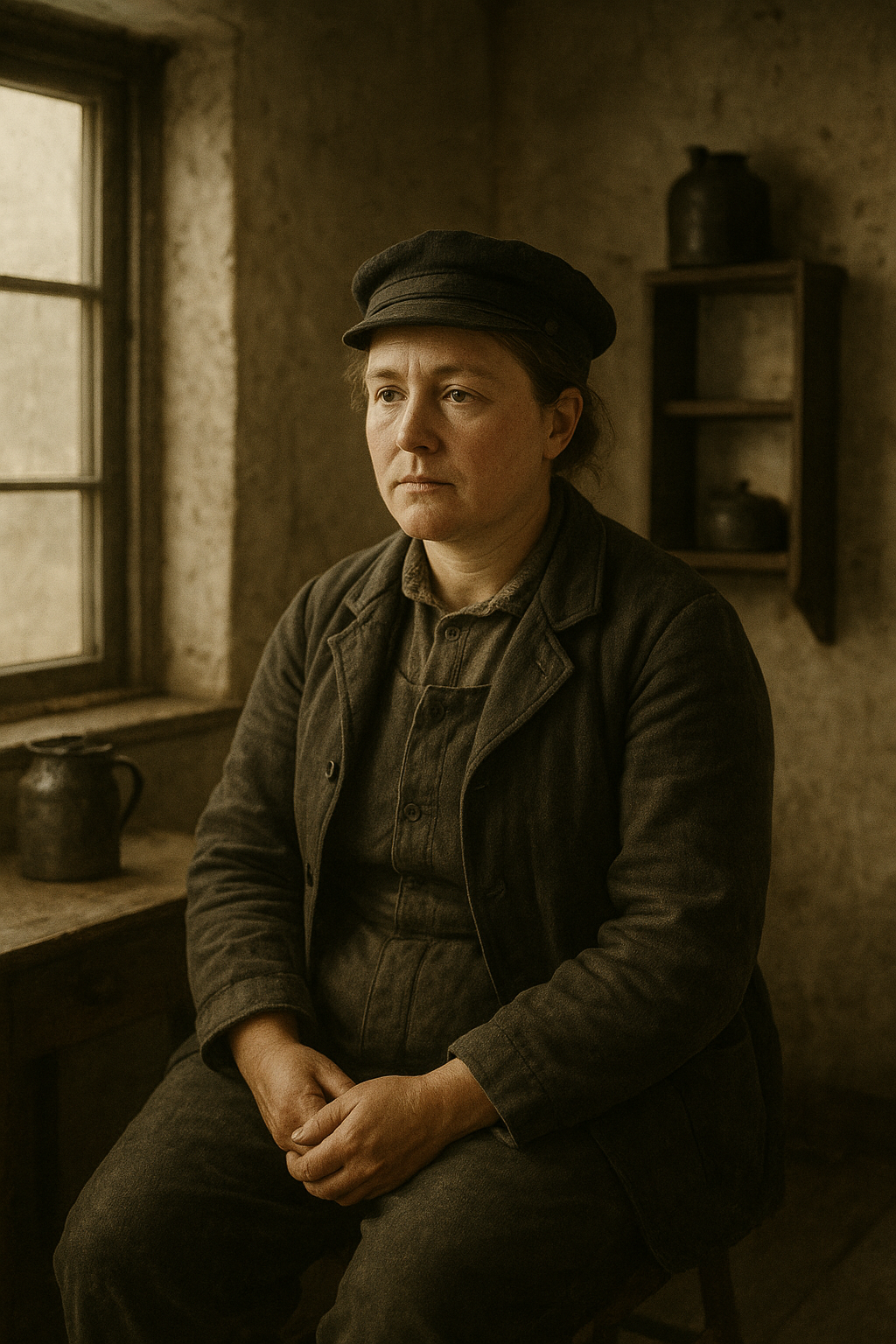
1898–1906
Relief keeper · North Point
“Storm nights turned the lantern glass white with salt. We cleaned it before dawn, then began again.”
Archive caption — Eliza Ward, Relief keeper · North Point · Service period 1898–1906
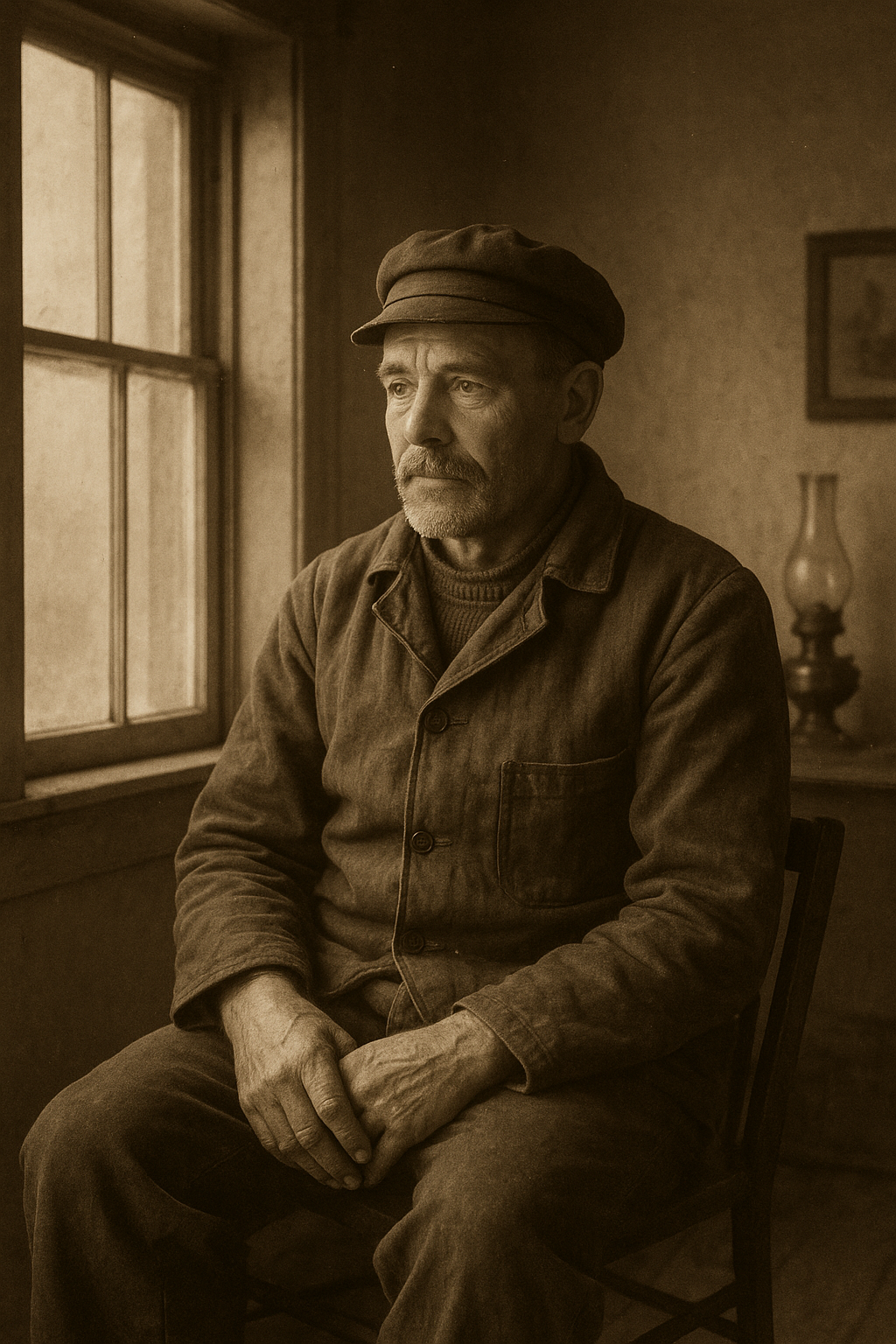
1924–1941
Principal keeper · Greyhaven
“The logbook was our second compass: wind, visibility, fuel, and every ship light seen after dusk.”
Archive caption — Thomas Bell, Principal keeper · Greyhaven · Service period 1924–1941
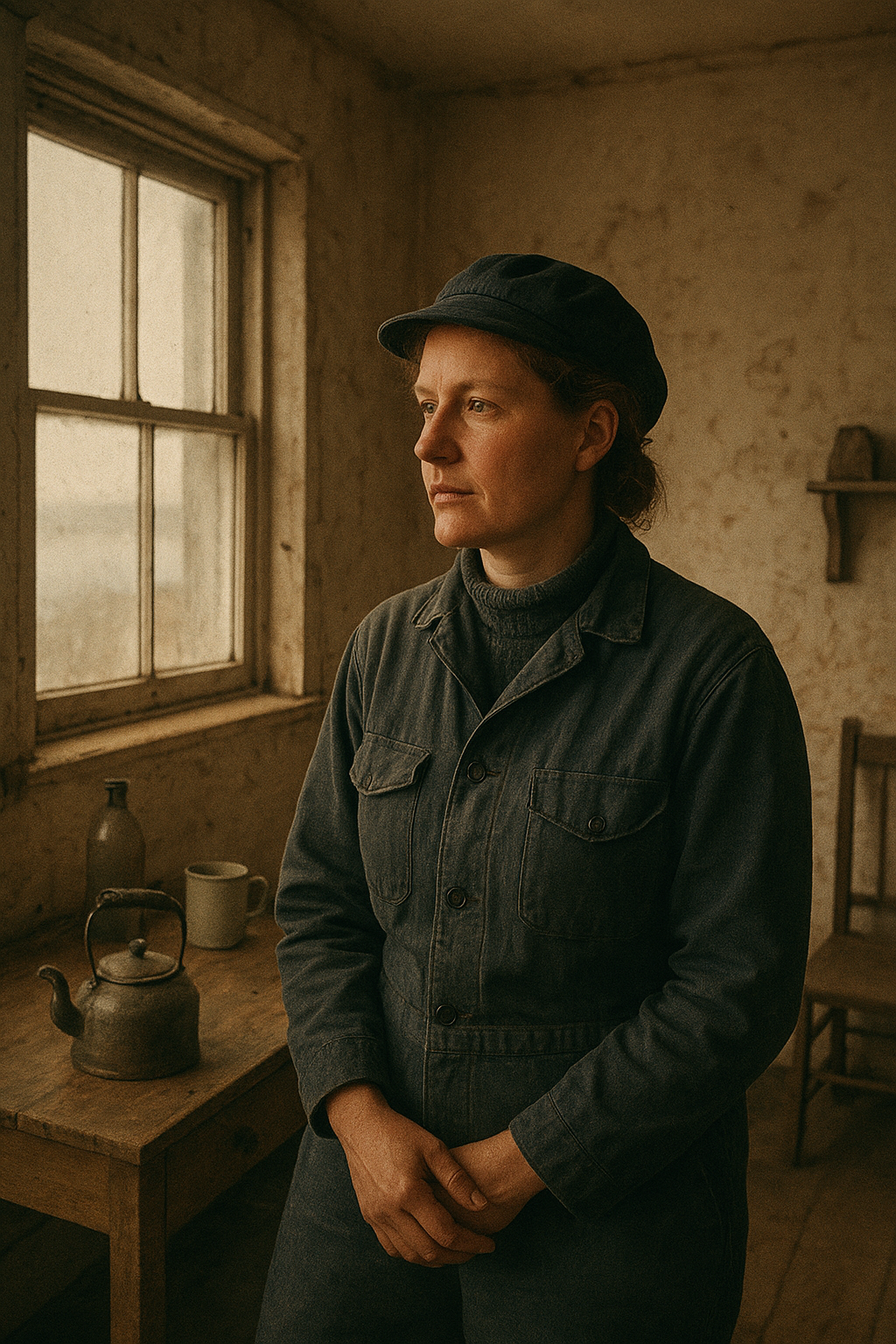
1952–1967
Keeper’s daughter · East Scar
“The tower was home, schoolroom, weather station, and the brightest landmark for miles.”
Archive caption — Mara Quinn, Keeper’s daughter · East Scar · Service period 1952–1967
Preserved towers reference
This panel is an archive illustration for orientation and historical context only. It is not live navigation.
Curated Visual Record
Six archival frames close the journey: weather, masonry, light machinery, and keeper labor preserved as a browsable magazine-style mosaic.
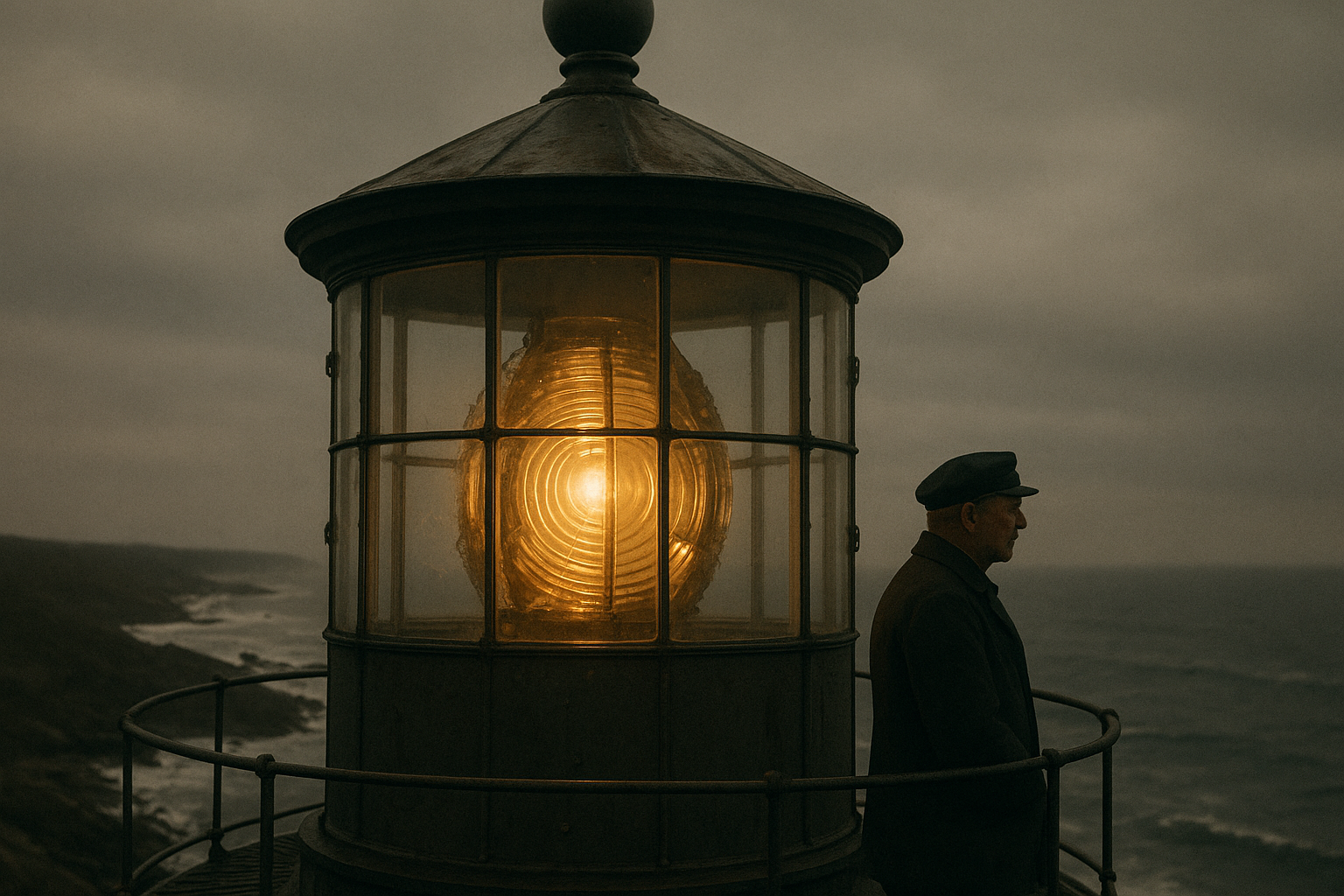
Prismatic glass gathers the last daylight before the evening watch.
Archive index • North Point
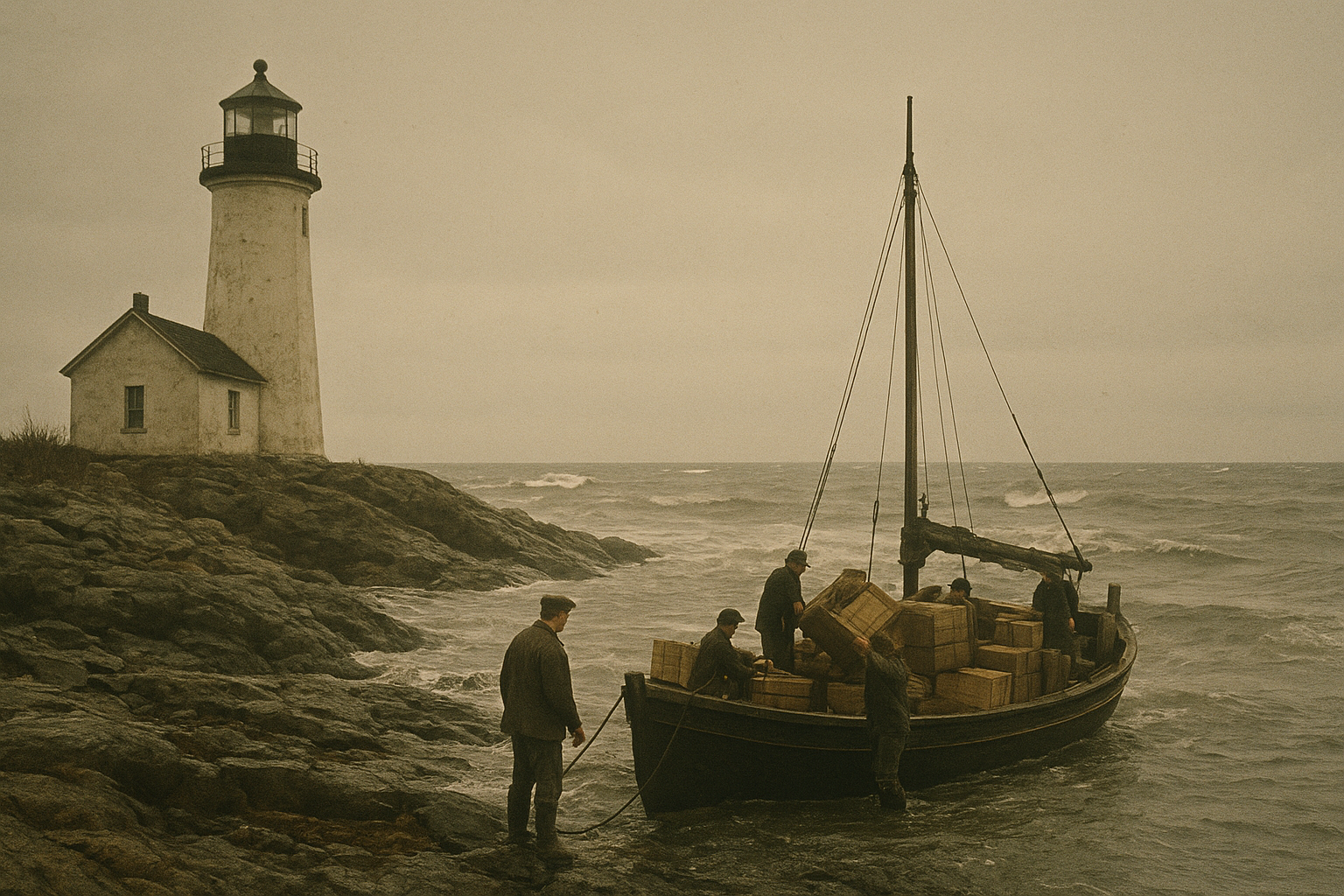
Fuel, provisions, and post arrive between winter swells.
Archive index • Stag Island
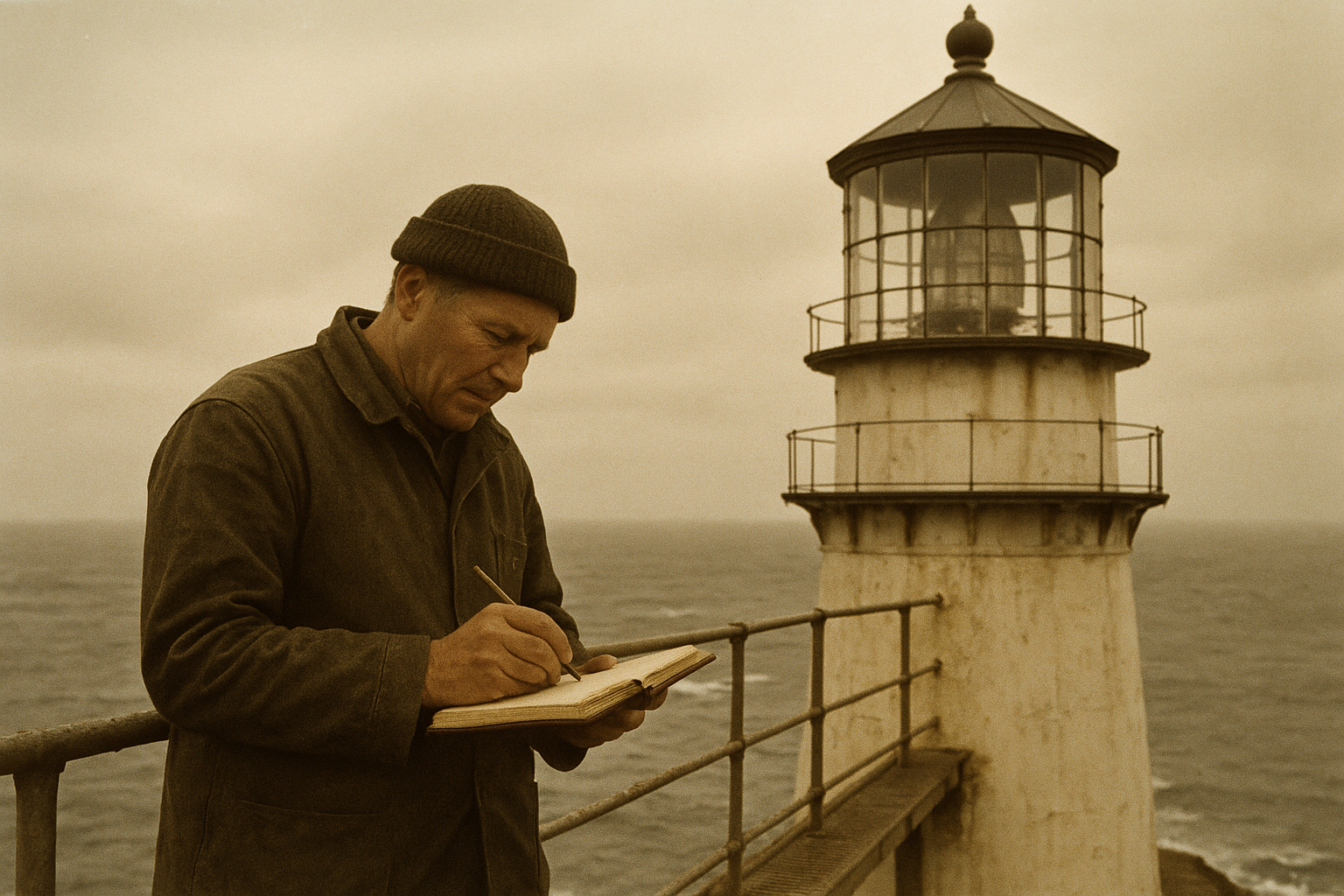
Weather, visibility, and lamp maintenance recorded in a steady hand.
Archive index • Greyhaven
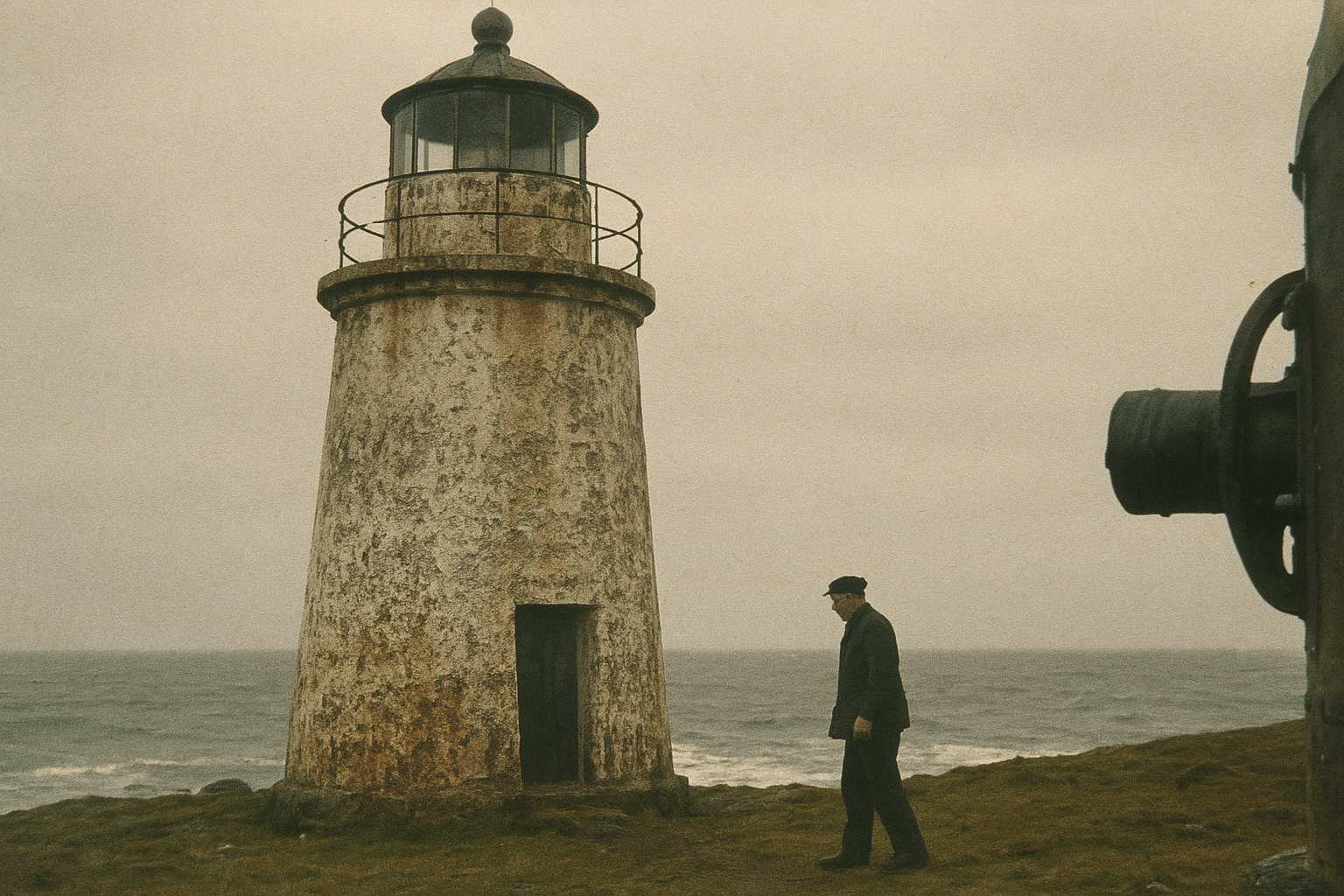
Salt crust and spray mark the seaward face of the tower.
Archive index • East Scar
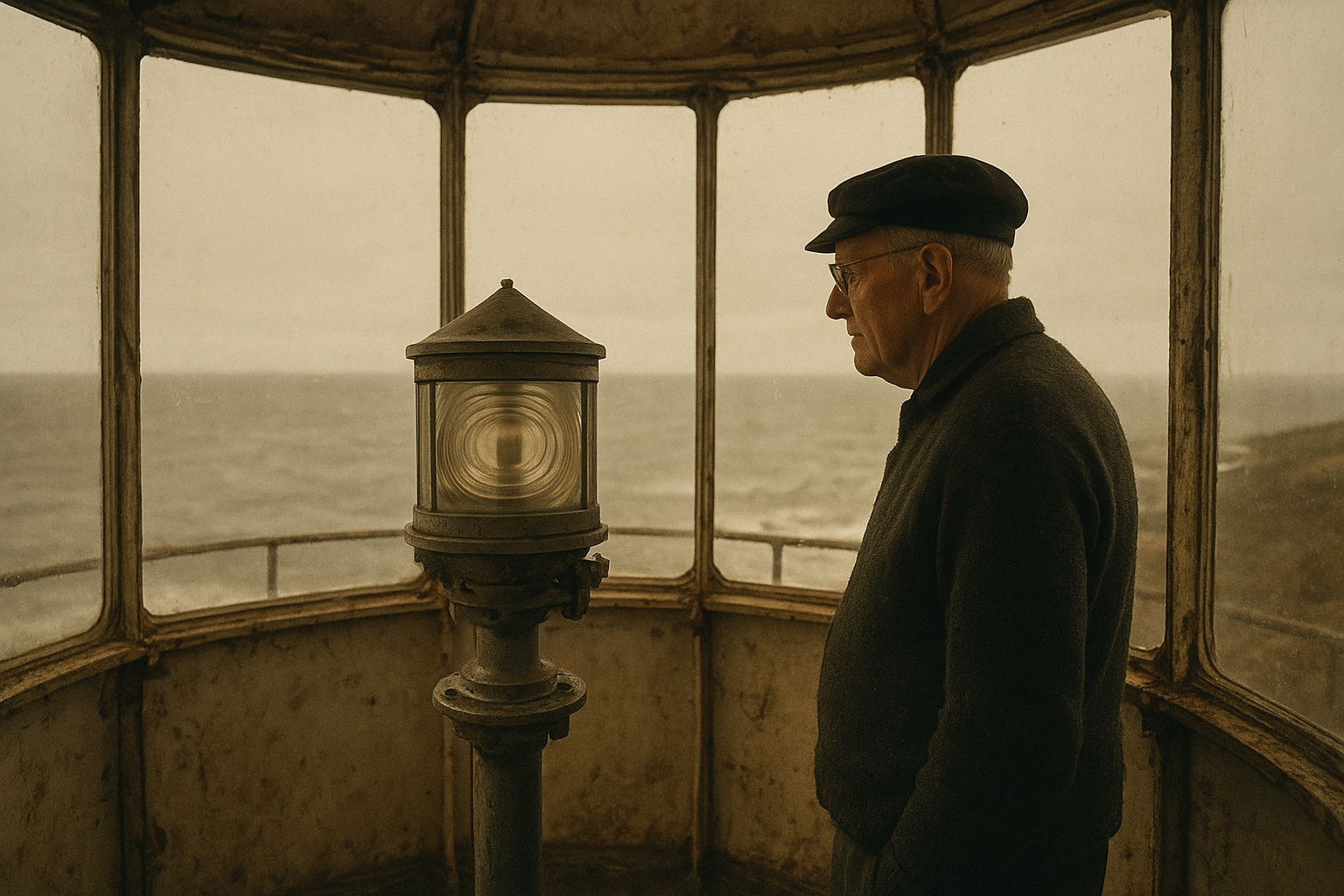
A quiet lantern room near the close of the staffed era.
Archive index • Long Cape
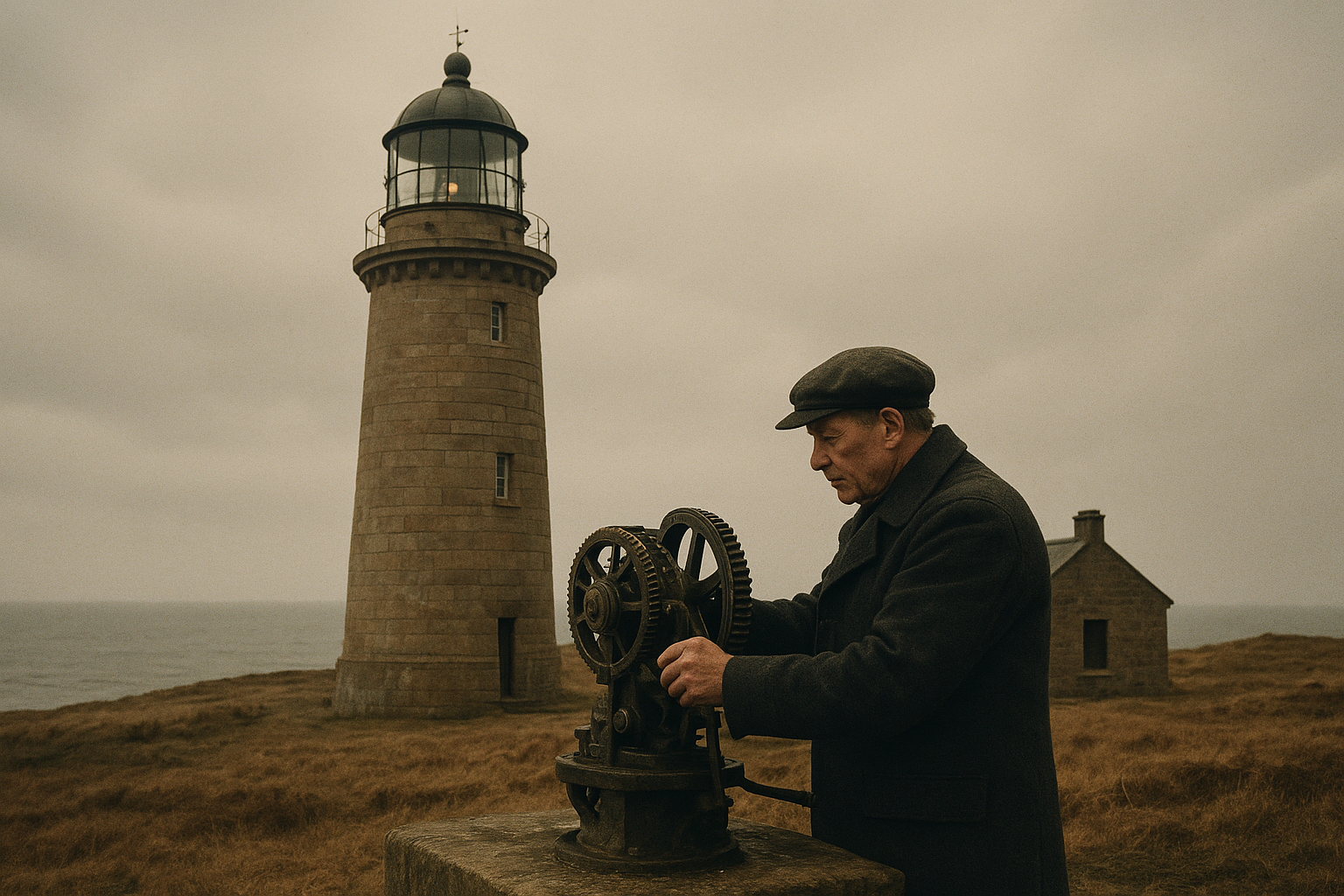
Preserved masonry carries the archive into the landscape today.
Archive index • Northern coast